
Environmental & Social (ending forced labour), and Human Rights due diligence in global Supply Chains, for
Risk management, Change, Performance, and Positive Impacts.


We empower Investment teams, Companies, and Organizations
looking at ESG, human rights and worker rights, and Sustainability in global supply chains, through our comprehensive, tailored Training and Guidance from experience. We research and clarify expectations from emerging legislation, and apply experience to guide and train how business can take good practice steps for risk management and positive impact.
Our comprehensive, tailored Trainings and Advisory comes from extensive in-house experience globally, and a deep dedication and Respect for People (especially workers) and Nature.
20 plus
20 plus years
EXPERIENCE, BROUGHT BY EACH SUPPLYESCHANGE SENIOR CONSULTANT AND TRAINER
COUNTRIES WORKED IN ACROSS ASIA (INCL CHINA), AFRICA, EUROPE, AMERICAS
WORKERS HELPED TO GAIN SUSTAINABLE LABOUR CONDITIONS, DECENT WORK IMPROVEMENTS
100 plus
COMPANIES SUPPORTED TO IMPROVE THEIR RESPONSIBLE SOURCING, DUE DILIGENCE, RISK MGMT & IMPACT
100,000s
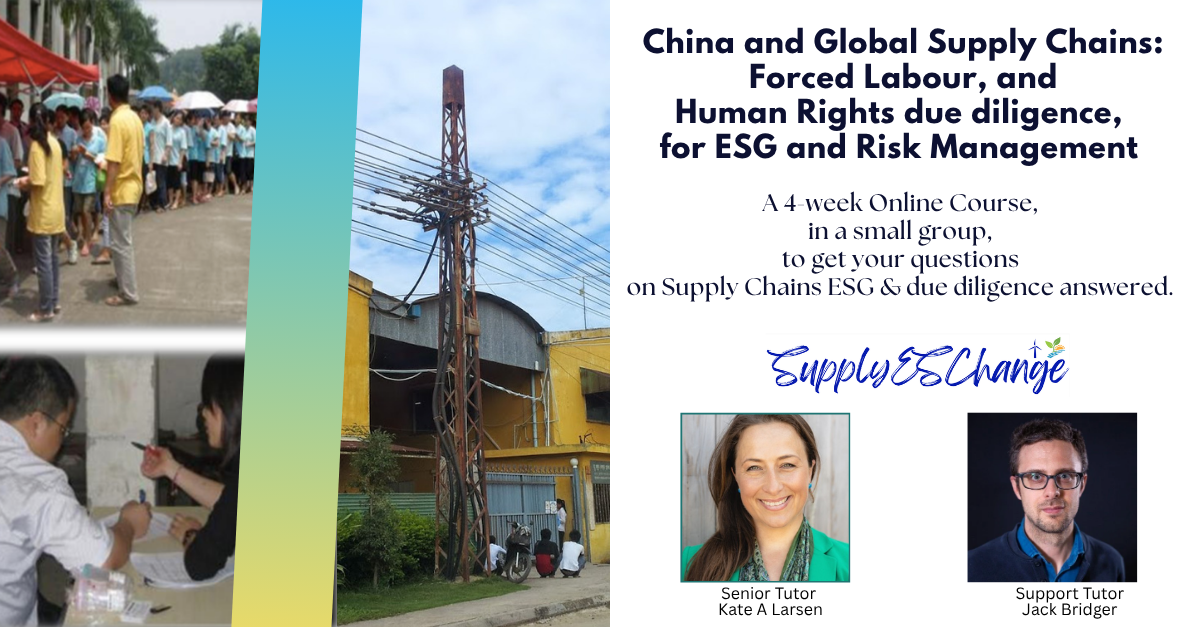
Our latest Online Course: China and Global Supply Chains:
Forced Labour, Human Rights due diligence, for ESG and Risk Management
Course Led by
A 4-week Online Course in a small group,
to get your questions on Supply Chains ESG and due diligence answered
How many audits are enough?
Where should firms prioritise their monitoring?
What else is expected?
When should a firm keep or cut off a supplier?
What’s “beyond auditing”, why does it matter, and how is it done, and affordably?
Do Companies really take “worker voice” action, and why and how?
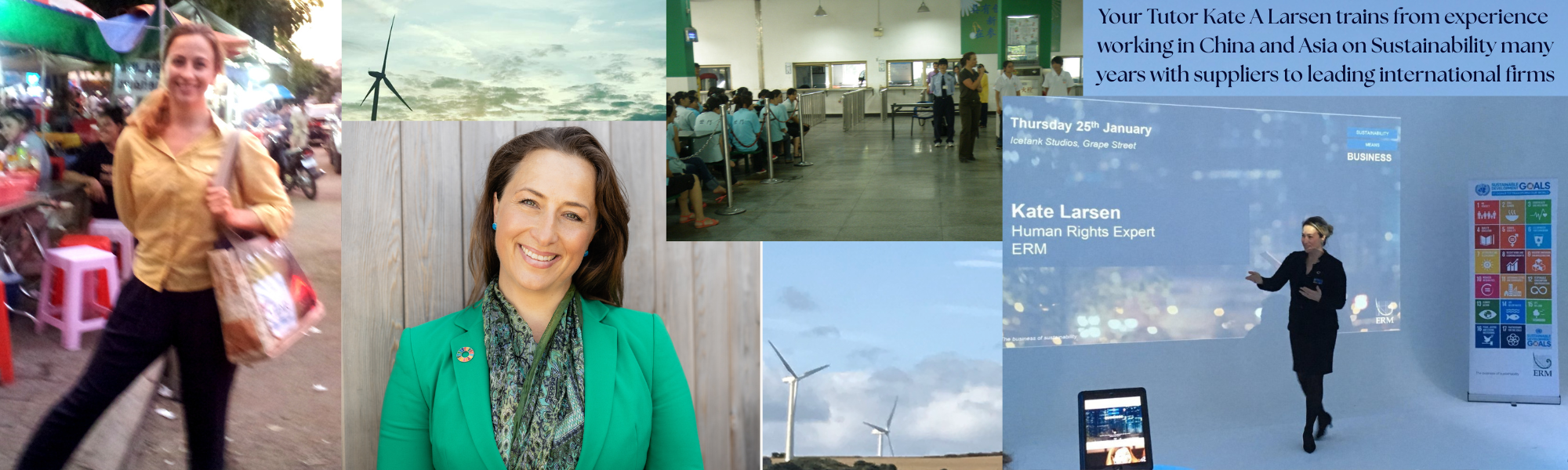
A LIVE course drawing on Kate A Larsen’s specialist China experience and in factories, in 25 years in Corporate Responsibility, Supply Chains human rights due diligence, and ESG in and with companies.
Attendees will learn about new regulations and expectations for robust supply chain human rights due diligence in China and global supply chains, how it is done, and enjoy opportunities to ask anonymous questions and gain advice on overcoming challenges.
About the Course:
Each session will be 1.5 hours, starting at 2pm BST (British standard time) on the dates below.
The course will be held under Chatham House rules (i.e. confidentiality).
Sessions will be recorded and shared only with participants as needed.
Who is this course for:
Finance Processionals who look at ESG, and/or are in full-time ESG roles, and wish to better understand forced labour, modern slavery and China supply chains.
Supply Chain, procurement, responsible sourcing, and compliance professionals.
Policy makers, development finance, and NGO professionals,
and more

Kate A Larsen
Lead Tutor.
Worked in China and Asia 11 years in/out of International supply chains factories.
Chinese speaker, past auditor, ‘beyond audit’ programme lead, as Responsible Sourcing Director and in various brand roles, and input to industry standards.
Founding Director SupplyESChange UK.
Former Principal Consultant ERM Human Rights and ESG
Former Senior Consultant ERM China, Social practice
With support from

Jack Bridger
Co-Tutor.
Senior Consultant, career in technology and research, and supporting client responsible sourcing advisory.
Business and Supply Chain Sustainability and Human Rights / labour standards research on projects for fashion, apparel, retail, food, auto, and more; industry trainings support.
MSc Sustainability Bath, human rights due diligence specialism
Lead author Report Stakeholder Engagement in human rights due diligence
If you have further questions about the Course, we welcome you to contact us at info @ supplyESChange.com , or on linkedin.
The course provides guidance on practical approaches to supply chain human rights and environmental due diligence from person experience working in and with industry, with supply chains and in factories, with NGOs, trade unions, policy makers, standards setting, and further.
The Course leader Kate A Larsen speaks mandarin Chinese, so will share insights from discussions with factories, workers, as well as from her work in and with leading companies including Burberry, Levis, Nike, Adidas, Apple, HP, Mercedes-Benz, and many more.
The course does not provide legal advice (we are not lawyers), for which it is recommended that you consult your legal counsel.
Session 1: Thursday 22nd Oct 2026 - Material forced labour and related supply chain risks. How to understand new regulations requiring enhanced business action
Hear the latest on key forced labour and related regulations expecting increased company due diligence
Business risks from forced labour import bans (USA UFLPA), sale bans (EU FLR) and other legal updates
What forced labour really looks like in actual business supply chains in China, Italy, Japan and more
Human rights and labour risks overview; forced labour, child labour, labour standards compliance
Q&A
Session 2: Thursday 29th Oct 2026 - What businesses should do given new supply chains forced labour and human rights due diligence (HRDD) laws: the legislative landscape.
Background to and expectations of the new business human rights due diligence legislation (UNGPs, OECD etc), the new UK-AU-CA Modern Slavery Acts Guidance for interoperability, and the forced Labour import bans and of sales (US UFLPA and TEFTA, and the new EU FLR)
The importance of supply chain ESG data integrity,
The RIGOUR Framework to realise supply chain human rights due diligence with data integrity
Q&A
Session 3: Thursday 5th Nov 2026 - How to manage data integrity issues to assess portfolio risks and engage firms and suppliers.
The RIGOUR Framework: Gain guidance on Frameworks that teams can apply for risk management, and leading data tools to consider for enhanced human rights due diligence.
More on the steps expected by new human rights due diligence legislation and against forced labour.
Transparency, Social Audits and Certifications (strengths and weaknesses) , and the role of industry collaborations and initiatives to drive action
Q&A
Session 4: Thursday 12th Nov 2026 - Case Studies and Scenarios of mitigating Forced Labour and labour standards violations in real business operations
Deeper learnings from experience and cases of investigating factories for leading companies
Applying the RIGOUR Framework for Engaging, remediating, and related crisis management and due diligence
Cases from countries such as China, India, Vietnam, Japan, Italy, Malaysia, Thailand, Taiwan, Bangladesh, Cambodia, UK, Indonesia, Tanzania, and more
Opportunities for further Q&A and discussion of your questions
Some of the organisations we have advised and supported in Environmental and Social (human rights) due diligence Training, Delivery, and Advisory for Change and Impact, in global Supply Chains and beyond….


As Featured…
If your company is a member of FinanceUnlocked, also known as SustainabilityUnlocked or xUnlocked, you can find Kate A Larsen’s other training Courses there on:

Deep Experience,
Real Impact.
In-House Training
Please contact us if you may prefer tailored in-house training for your team.
SupplyESChange have delivered Trainings to Investment Teams for firms including Baillie Gifford, 3i, Pemberton, Alliance Bernstain, Manulife, and more, both in person, and online.
Content tailored with you to meet the unique needs of your team
Workshop of 1-3 hours on zoom, MS teams or your preferred system.
Tailored in two x 1 hour calls, including revision, changes.
Includes development of case studies tailored to your portfolio.
Recording provided for your team.
Tailored follow-up Briefing Summary answering questions from your team.
Further tailored email responses to questions 2x in 6 months following, or 1-2 calls in month following.
£5,800 + VAT (for relevant clients), negotiable. If in person, travel negotiable.
Other Briefings, Speaking and Trainings on forced labour in global supply chains.
Learn about Nature Regeneration Investment Opportunities from Water Stewardship in fashion and apparel supply chains
The fashion industry contributes 8% of global carbon emissions, 20% of global wastewater production, and an estimated 50% of global PFAS use.
In 2025 SupplyESChange conducted industry leading research on financing the needed Water Stewardship in Fashion supply chains for Nature, for The Resilient Water Accelerator, applying our experience in the field (China, Bangladesh, and beyond), to interviews and discussions with experts from leading brands, NGOs, consultancies and more.
We bring deep insights into the latest standards and approaches needed.
Learn why increasing supply chain risks from lack of attention to water matter.
Learn about Resiliency opportunities (economic, social, environmental) from water stewardship
Gain deep insights into fashion, apparel and retailer textiles supply chains: The Trainer’s MSc Thesis Imperial College researched apparel water pollution prevention China and Asia; Lead author 2004-5 of the Resilient Water Accelerator Report on “Accelerating Water Stewardship Investments In Global Apparel Supply Chains”.
Insights from on the ground water monitoring.
Why water pollution and overuse still occurs: how pricing and contracting challenges can be overcome
Models for Impact being applied to learn from
How institutional Investors can engage Fashion and Apparel brands and retailers to take action with ROI for economics and Nature
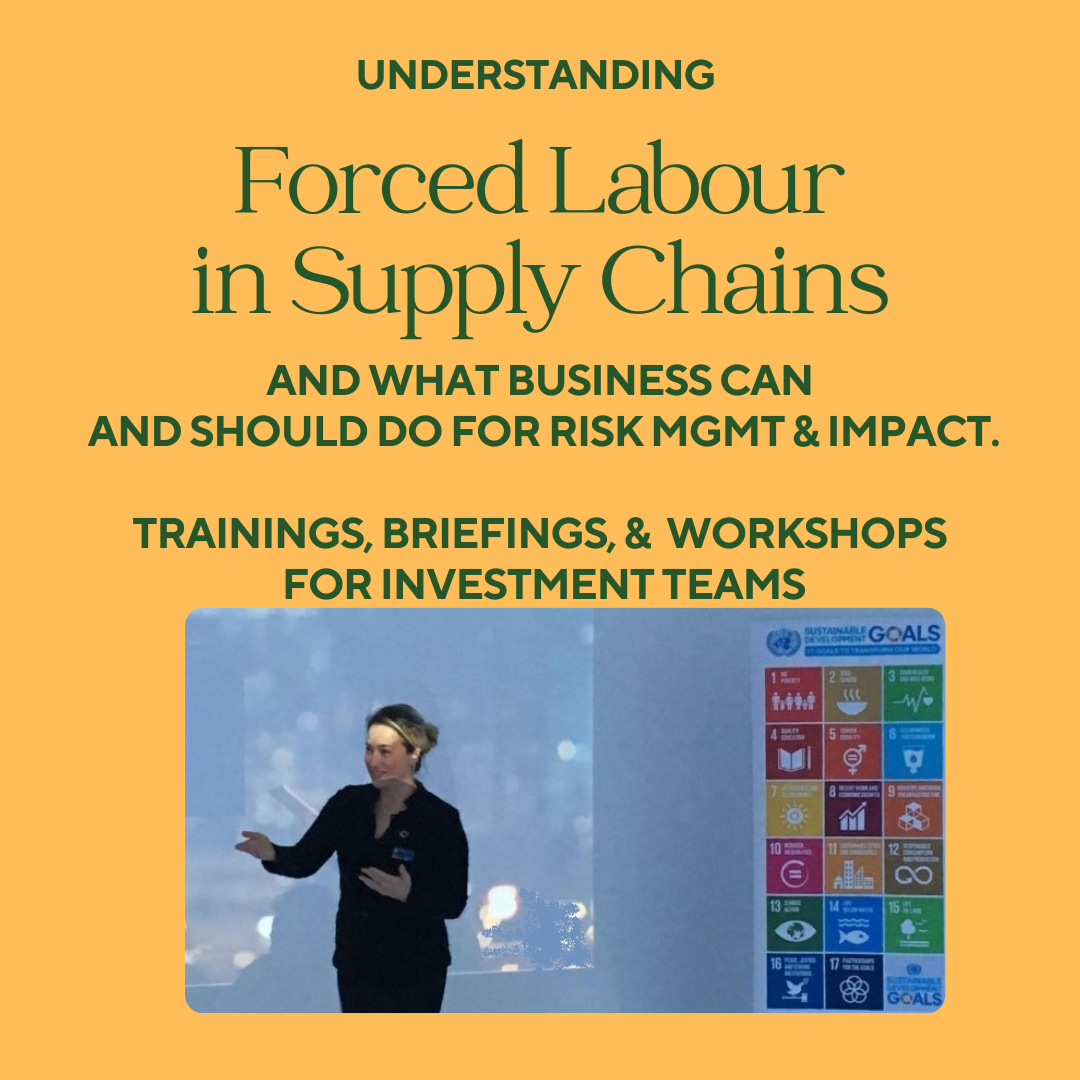
SupplyESChange Founder Kate A Larsen is regularly featured as a Speaker and Trainer to help senior through to full team audiences better understand why and how to manage risks of forced labour in global supply chains. Larsen applies experience working across China, Japan, India, Malaysia, Italy and more, with leading brands and organisations.
A UK Top 100 Corporate Modern Slavery influencer, and Featured Speaker and Trainer, and on forced labour of Uyghurs, for:
UN PRI, Moody’s,
Federated Hermes Investment, Morgan Stanley
Matrix Chambers Barristers podcast series here
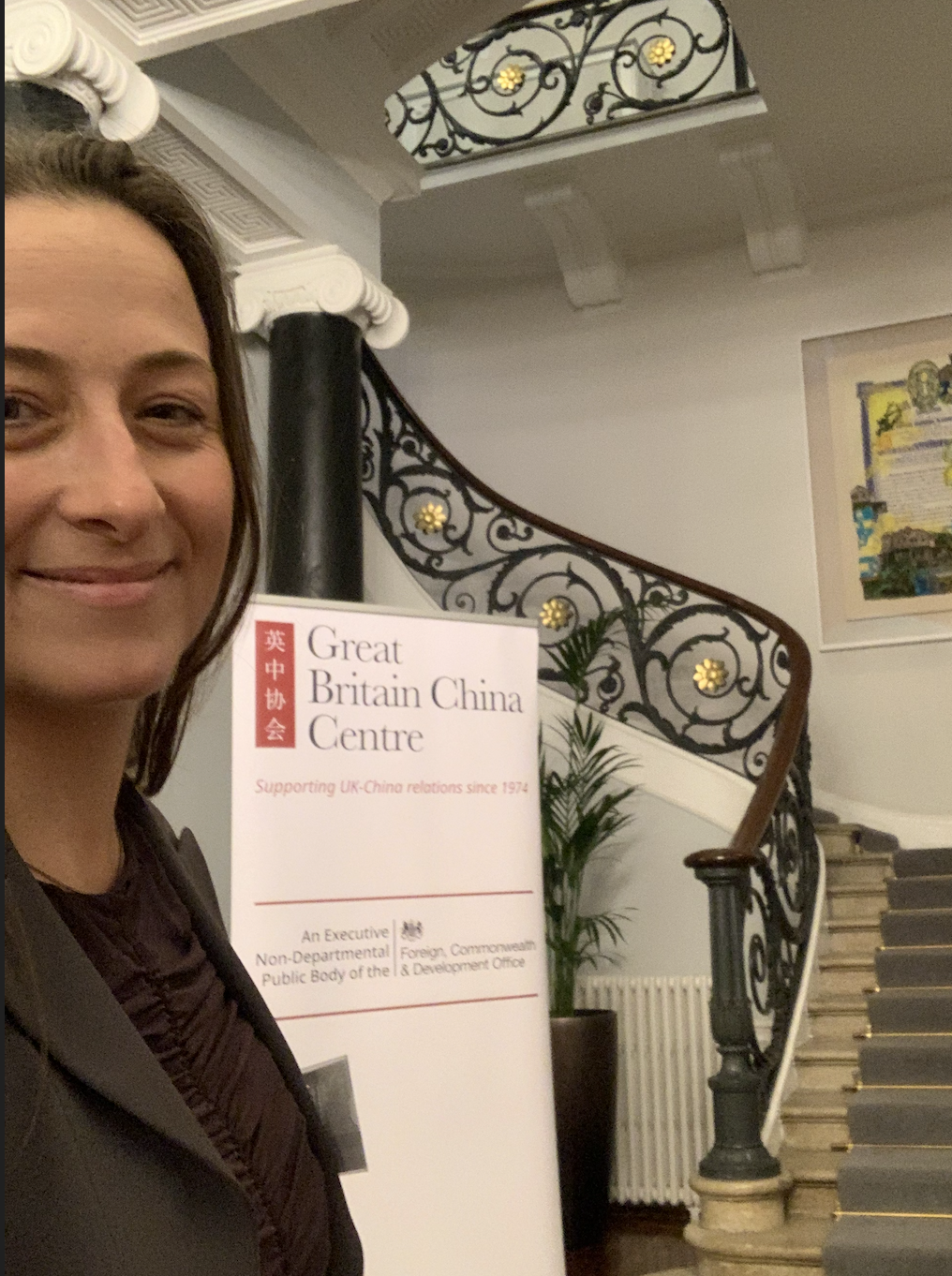
Great Britain China Centre (GBCC)
Faculty Trainer for The University of Cambridge Institute for Sustainability Leadership (CISL)
Innovation Forum Responsible Sourcing conferences
The Purpose Summit, BlueEarth Summits,
Also featured on the BBC, BlueEarth & NatureWorks Podcasts, VOGUE Business, The Guardian, Sourcing Journal, Drapers, Apparel Insider, & more.
A Trustee of The Rights Practice Charity for China human rights, and supporter of Unseen UK and the UK Modern Slavery helpline, and INNO Handshake China.

Research Reports
Our team often apply our experience, and industry and NGO insights and networks, to more deeply research potential challenges regarding, and solutions to Environmental and Social (Human Rights) issues in global supply chains.
We take pride in efforts to research and advocate why challenges exist, and how they might be solved, to help end human rights abuses, and realise urgently needed social and environmental change.
In 2025, SupplyESChange Director Kate A Larsen was commissioned to, from her 20+ years Sustainability experience, including working in Fashion and Apparel brands, and in Asia, research how to finance greater water stewardship in textiles supply chains.
The Report launched 2025, and developed upon the lead of water expert Rachel Cardone, a Director of the new UK government funded non-profit the Resilient Water Accelerator (RWA), incubated out of non-profit WaterAid, looks at reasons for continued water overuse and pollution which has continued in global apparel supply chains (with a deep dive on Bangladesh), and at what investors looking at ESG and sustainability in apparel brands and retailers and firms, brand buyers themselves, factories, governments, and more, can each do to end dangerous levels of water overuse and pollution.
In 2024, SupplyESChange hosted a mid-career Masters in Sustainability student and ESG professional Jack Bridger, and supported his outreach to industry and NGOs and research into why and how companies can improve meaningful stakeholder engagement in business human rights due diligence for their chocolate (cocoa) and coffee supply chains.
Child labour, largely due to poverty, has continued in key global cocoa sourcing countries in particular, and also coffee. Despite these issues having been reported for over 30 years, they have continued. This report looks at why, and what should and can companies do in this challenging situation?

The apparel industry is a major contributor to environmental challenges, possibly responsible for 20% of global wastewater and 8% of carbon emissions. But there's a powerful solution: targeted interventions backed by commercial finance can transform textile manufacturing, leading to significant returns on investment through improved water and environmental stewardship.
This report highlights the situation in Bangladesh, where the textile industry—80% of the country's exports—faces severe water availability risks due to rapid growth and fast fashion consumption. Beyond scarcity, toxic wastewater pollutes vital ecosystems, threatening human health and biodiversity. Kate explained that after cotton and raw materials growing, “Tier 2” textiles “wet processing” sites (i.e. dye-houses, spinning and laundries, etc) use the most water (not cut&sew sites). The Report here explains what types of actions have been working to reduce risks to nature and human life, and which if expanded, can realise water and related financial savings. SupplyESChange and RWA are grateful to all who participated in interviews and helped develop the report (and especially Saif Khan, Peter Ford, Kiran Pawar , Sashi Jayatileke, and courageous NGOs such as Waterkeepers Bangladesh who voice the issues, and to any feedback received via our online contact form or via linkedin or email.
If you would like to know more about RWA’s work on Investment opportunities in Apparel Supply Chains Water Stewardship, or for Training and/or Advisory on Supply Chains ESG, Environmental, or human rights due diligence, please contact Kate A Larsen on linkedin or via our SupplyESChange Contact form.
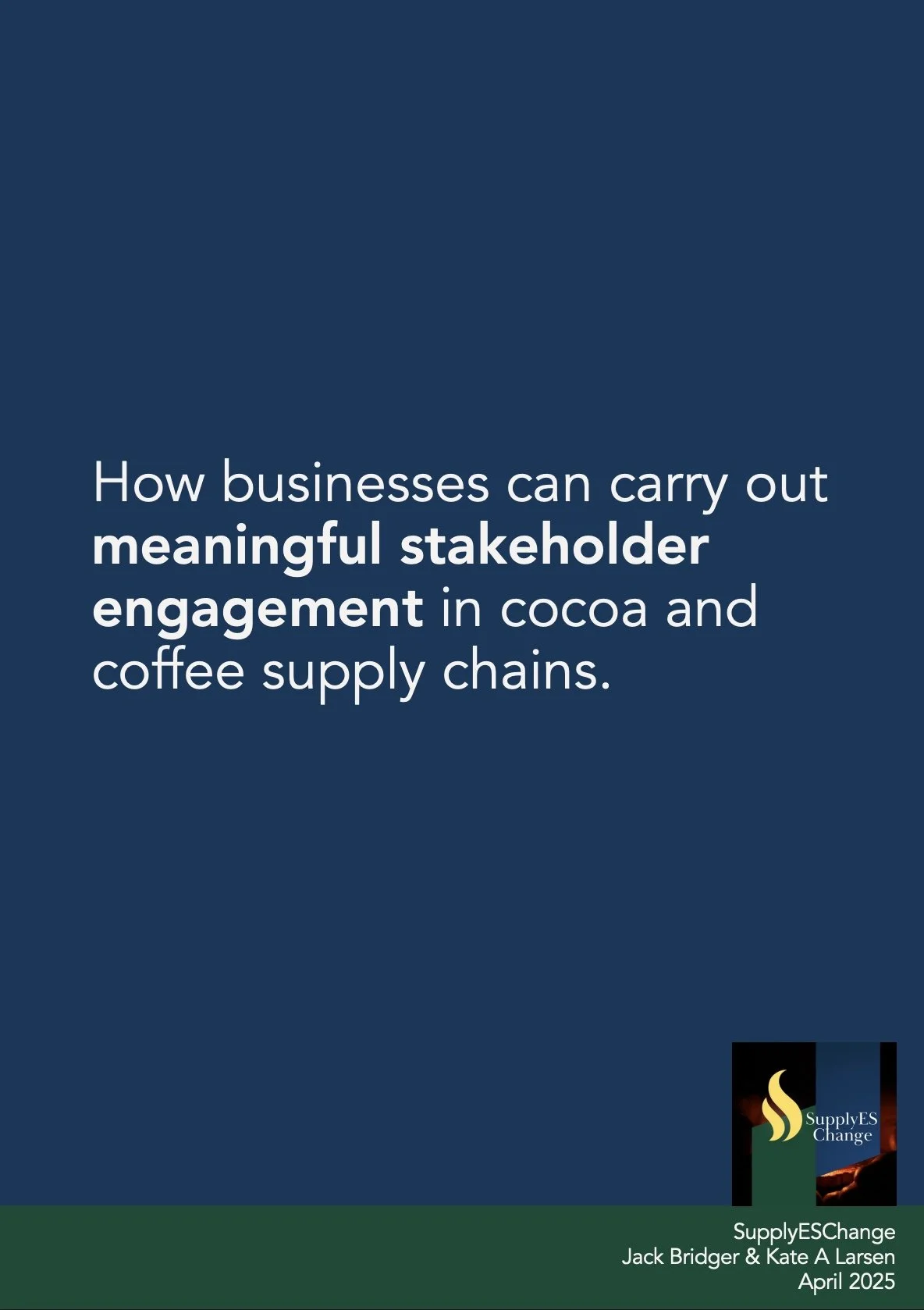
The Report explores how companies can better deliver on the human rights due diligence (HRDD) in supply chains, that is increasingly expected of them by emerging legislation such as the EU (European union) Deforestation Regulation (the EUDR), the EU CSDDD (Corporate Sustainability Due Diligence Directive), implied by the US TEFTA against imports of goods made by forced labour (of which child labour is a form), the French Duty de Vigilence, the Modern Slavery Acts of the UK, Australia, California, and Canada (and pending in New Zealand), and wider customer, ESG investor, GRI and DJSI (Dow Jones Sustainability Index), and other standards.
The report explores efforts to date - what has worked and hasn’t, and ways to deliver on expectations, via truly meaningful engagement.
Whilst every effort was made, and via industry insider interviews and research, to provide the best guidance, constructive criticism is still welcomed, as well as questions or further discussion.
You can reach Jack here to engage him for research or to discuss the issues, and SupplyESChange regarding how to deal with child labour, forced labour, or other human rights issues, via our Contact form, or Director Kate A Larsen here.
SupplyESChange Founders is a Chinese mandarin speaker who has lived and worked in China and Hong Kong and Japan for 11 years, including in Beijing and Wuhan. Kate has worked with supply chains and their sites, and organizations and teams across Asia and globally.

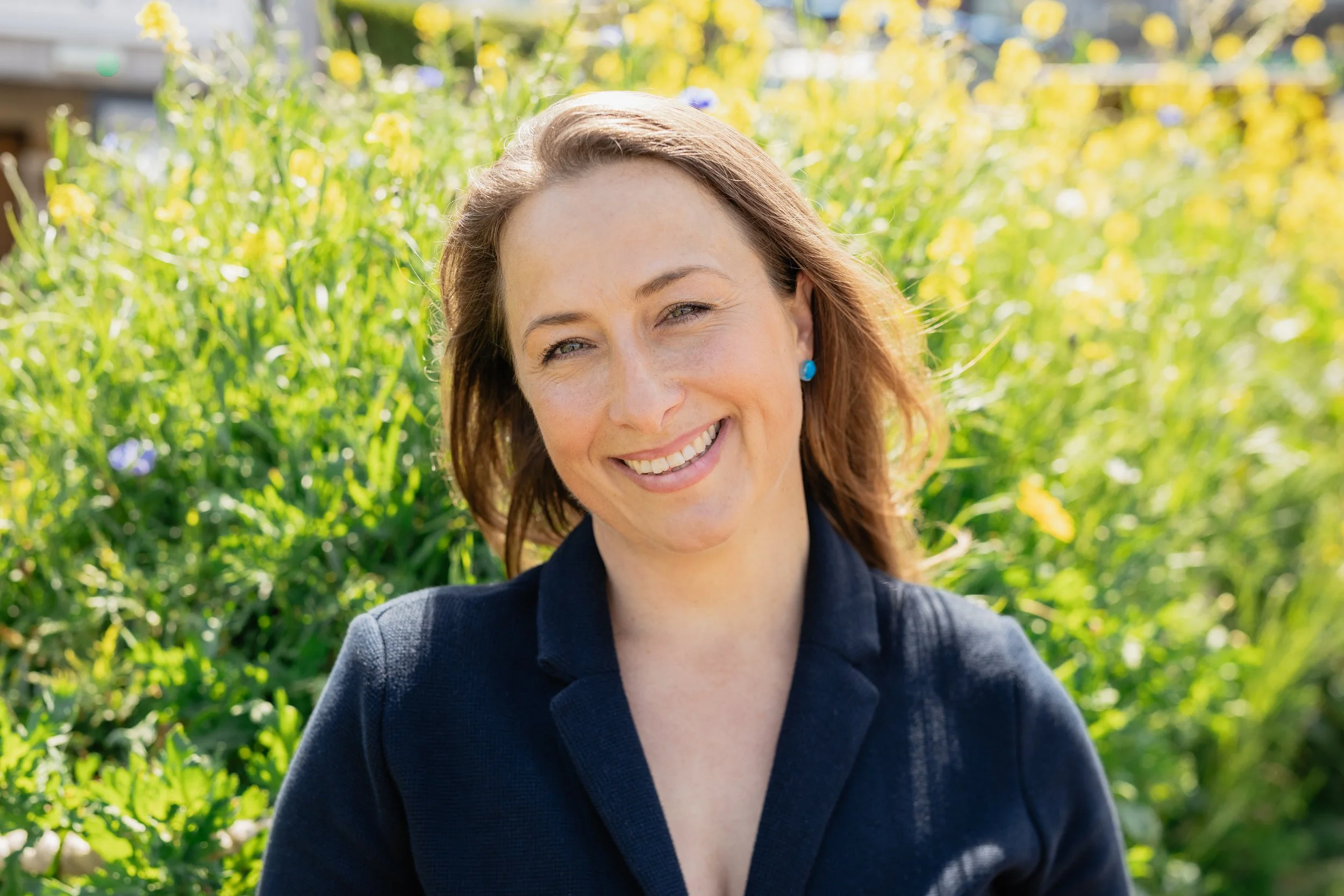

SupplyESChange support investors and businesses to better understand Supply Chains ESG Environmental and Social Realities.
SupplyESChange is led by Founding Director Kate A Larsen, who undertaken this work for more 20 years.
Kate is a Chinese mandarin speaker who lived and worked in China, Hong Kong and Japan for 11 years, including in Beijing and Wuhan. She has visited and worked with sites and organisations across Asia and globally for decades.
A University of Cambridge Institute for Sustainability Leadership (CISL) featured faculty trainer, Kate was a UK Top 100 Modern Slavery corporate influencer in 2018, and applied learnings from her MSc in Environmental Management Imperial SOAS to causing Scope 3 carbon and water emissions reductions in China supply chains.
She regularly guides on understanding modern slavery, forced labour, and other risks in Italy, China, the UK, and globally, for ESG and human rights due diligence, and has led projects in Uganda, Mexico, Turkey, and more for Investors and firms.
Kate and her colleagues apply deep experience to train Investment and Company teams , and provide Guidance on global, and especially China and Asia supply chains human rights and environmental due diligence (HREDD), per expectations of the new EU CSDDD Corporate Sustainability Due Diligence Directive, OECD Guidance (which Kate has input to), UK Modern Slavery Act (which Kate input to Guidance for business of), and more.
Kate and her team are passionate about guiding businesses to understand and end abuses in supply chains for business resilience and livelihood improvements.
OUR SERVICES
-
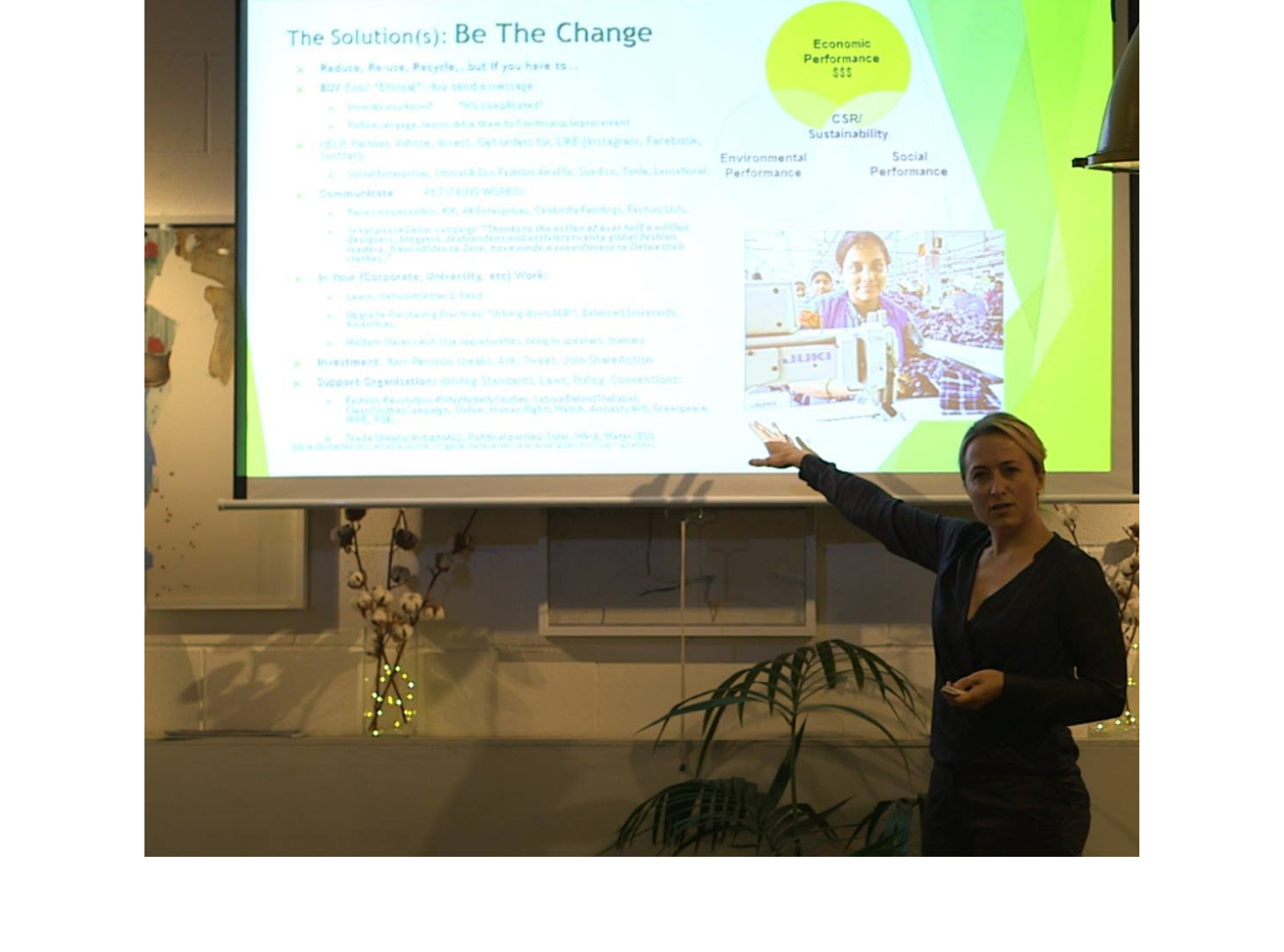
Tailored Team Trainings
Learn about the emerging new legislation requiring enhanced business human rights due diligence by firms and investors, especially for supply chains, and how this is done, from practitioner experience in small and large firms.
-

Strategic Consultation
Engage with Founding Director Kate A Larsen and draw from her expert guidance in designing mitigation strategies, fostering collaboration, and promoting ethical practices in supply chains, procurement and global sourcing.
-
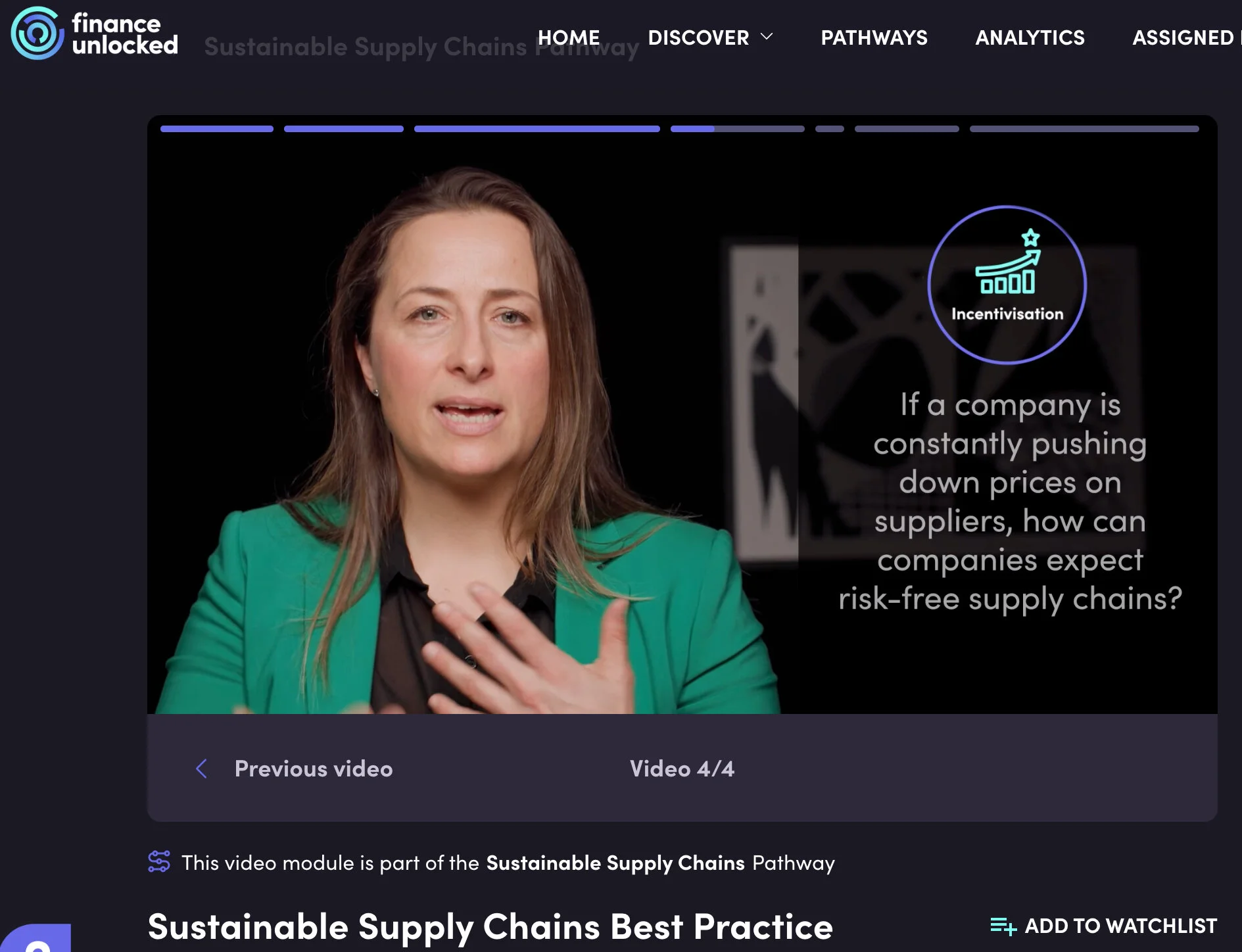
Impact Delivery Coaching
Partner with SupplyESChange Senior experts to delvelop industry-leading ethical trade and anti-modern slavery programmes that align to the most current and most relevant supply chains human rights due diligence expectations.
Where does your team need support?
WHAT PEOPLE SAY
-
![]()
“I have engaged with Kate over my last four roles and, she remains one of the few experts who can meaningfully bridge the gap between truth-on-the-ground and high-level corporate and investor policies and expectations. Her inputs to the Corporate Human Rights Benchmark were valuable and informed by experience in-house and across Asia. Investors and companies can learn from Kate’s insights. Her advice is pragmatic, without losing sight of the real social and environmental issues that must be addressed.”
Dan Neale, Social Lead for a UK Ethical Investor, former Member of The Expert Working Group (Social) for The European Financial Reporting Advisory Group (EFRAG), and former Programme Director, for the Corporate Human Rights Benchmark (CHRB).
-
![]()
"I recommend Kate Larsen highly. Kate redefined our organisation in China. She was phenomenally organized while creative. She successfully manouvered resources between Beijing and Shanghai and across continents, and knew unique Chinese bureaucracy culture."
Mickey Li, Founder Mintech (a global Fintech, Beijing, Shenzhen, Jakarta, Manila), and former Citibank SVP, MBA Cornell.
-
![Mark Eadie ESG ESDD expert]()
Kate is extremely knowledgeable and a well-respected consultant across the industry; she was a considerable asset for assessments and strategy/policy reviews, and was a popular team player. Kate proved to be an extremely active and dynamic consultant, working hard to build long-term relationships with clients across China. She was able to demonstrate her passion for the rights of others while also maintaining a respectful and constructive dialogue with the clients - this is not always the easiest of tasks in China.
Mark Eadie, Executive Director, Environmental & Social Risk former Exec Director, Environmental and Social Risk, J.P. Morgan then Standard Chartered Bank; Director ERM; Director Envirocom.
-
![]()
Kate is a leader in the industry of human rights and sustainability. I had the pleasure of getting to know Kate on a brand collaboration project and was so impressed with her passion and expertise. Over the years I have connected with Kate on industry questions and sought her expertise in manufacturing in Cambodia. What sets Kate apart is her heart is so connected to her work, she seeks out the details and is always looking for solutions and a better way. It is this perspective that is so refreshing in this type of work. I look forward to work with Kate again as she taught me so much.st Item
Nicole Bassett, Closed Loop Partners, Principal Citrus Circular, Textiles Circular expert. Chair of the Board, Eureka Recycling, Former Patagonia Social Responsibility Manager
-
![]()
"Kate is like the mentor who asks you to put the textbooks away and shows you how things actually work. Meeting her early in my industry career helped me work smarter from the start. Coming from a diplomatic and human rights background, I quickly realised that reality on the ground was very different. With just a few days of workshops with also our quality managers, and the chance to draw on her network, Kate helped us set up a responsible sourcing programme quickly and effectively. She saved me (and our suppliers) years of wasted time and effort. I reached out again four years ago for help when developing the social criteria for the Nordic Swan Ecolabel, which still stand today."t Item
Trude Ertresvåg, Chief Sustainability Officer🐑 Devold apparel. The original wool pioneer. Elevating adventure since 1853. Designed and tested in Norway. Made in Europe. Former Board member EcoSwan eco-labbeing. Fmr Head of CSR REMA 1000 AS (Retail)



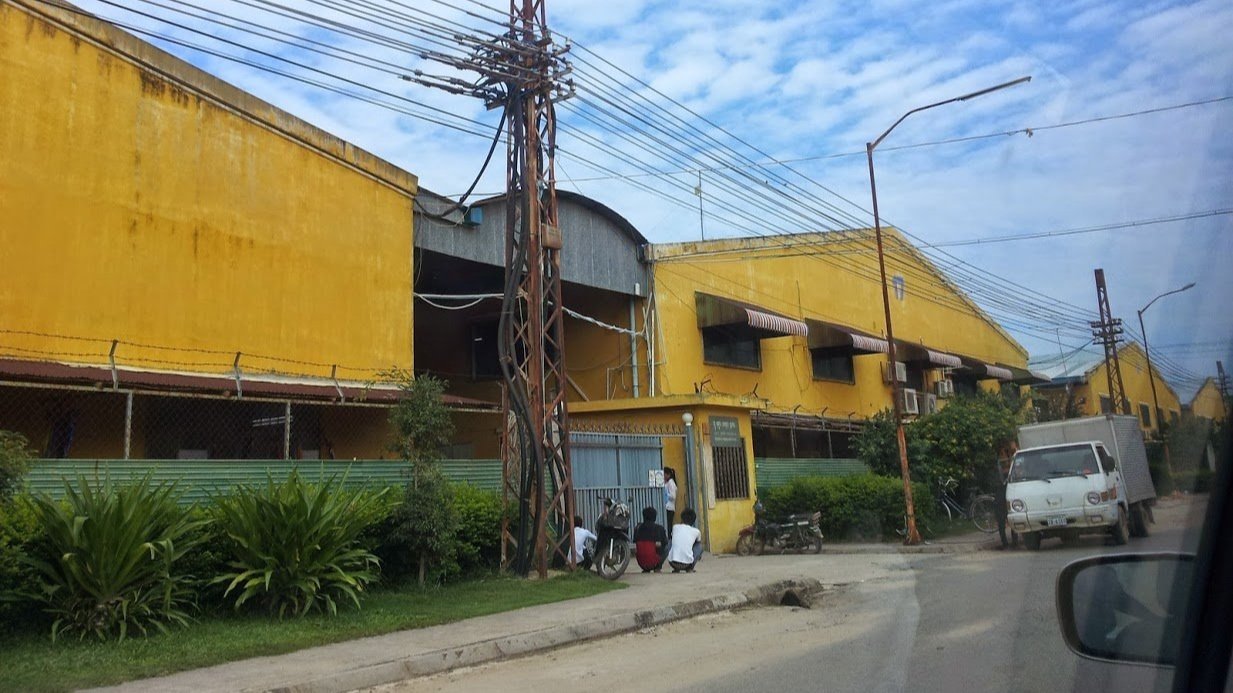
SupplyESChange helps you navigate the evolving landscape of emerging Environmental, Social, and Human Rights Due Diligence (HRDD) and Scope 3 impact reduction expectations, especially for global Supply Chains, so that you’ll know what your businesses or Investees Should do, and Can do or improve to mitigate risks, and maximize Impact.
Contact us to find out more.
OUR SERVICES
-
Tailored Team Trainings
Learn about the emerging new legislation requiring enhanced business human rights due diligence by firms and investors, especially for supply chains, and how this is done, from practitioner experience in small and large firms.
Recent trainings include understanding Forced Labour for Investment teams; understanding business Human Rights due diligence expectations on companies (and the new EU CSDDD, USA laws against import of goods made by forced labour), and with industry and personal case studies shared to make training relevant and impactful for teams.
-
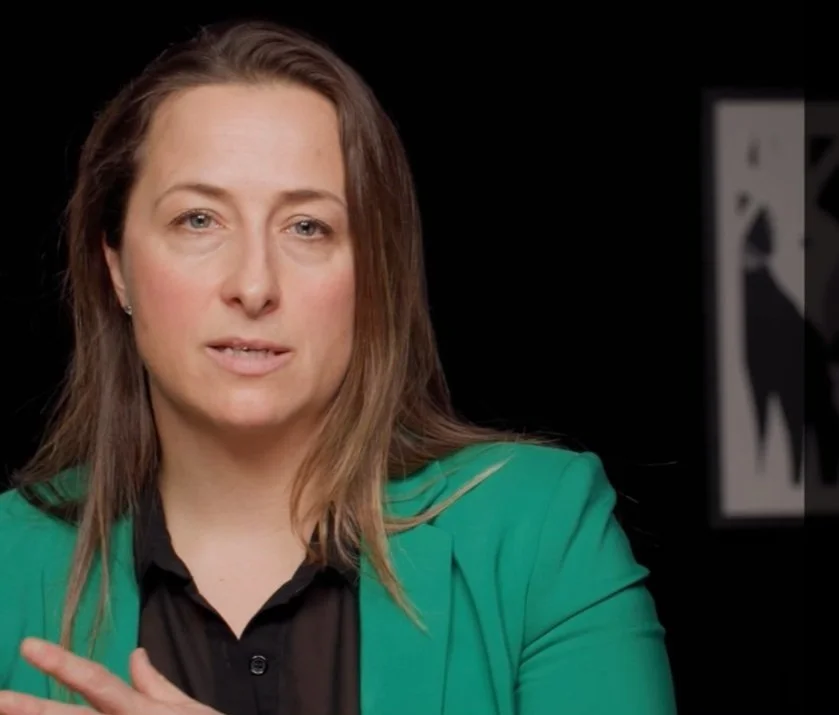
Strategic Consultation
SupplyESChange team support Clients to understand Supply chains Human Rights and Environmental due diligence and responsible sourcing questions, sector approaches, and how a company might most appropriately act.
Significant experience from working in and with clients is applied, including factory to board room approaches.
Recent guidance has been to a luxury EV auto firm on China supply chain human rights due diligence, to a circular waste industry start-up to develop their programme to meet client expectations and deliver impact, on fashion and apparel water stewardship, labour standards in leather and fashion, and more.
-

Impact Delivery Coaching
Partner with SupplyESChange Senior experts to delvelop industry-leading ethical trade and anti-modern slavery programmes that align to the most current and most relevant supply chains human rights due diligence expectations.
We support companies to understand where there are human rights risks, how to mitigate and cause remediation, and how to deliver positive social impacts from such efforts, also meaning greater sustainable business for all parties.